
Keeping Your Website Design Up to Date
Your website might have looked fantastic when it launched, but how well is it serving your business today? Technology changes, design trends evolve, and customer expectations shift. Even a website that was professionally developed a few years ago may no longer provide the experience visitors expect. So, how often should you redesign your website? While many businesses consider a redesign every three to five years, there’s no universal timeline. Some websites can remain effective much longer with consistent updates and maintenance, while others may need attention sooner.
The better question is whether your website is still helping your business reach its goals.

5 Signs It’s Time to Redesign Your Website
1. Your Website Looks Outdated
First impressions matter, especially online. If your website features outdated graphics, cluttered layouts, inconsistent branding, or navigation that feels difficult to use, visitors may question whether your business is keeping up with the times.
A modern website doesn’t need to follow every design trend. Instead, it should reflect your current brand, communicate professionalism, and make it easy for visitors to find information.
2. Your Website Isn’t Mobile-Friendly
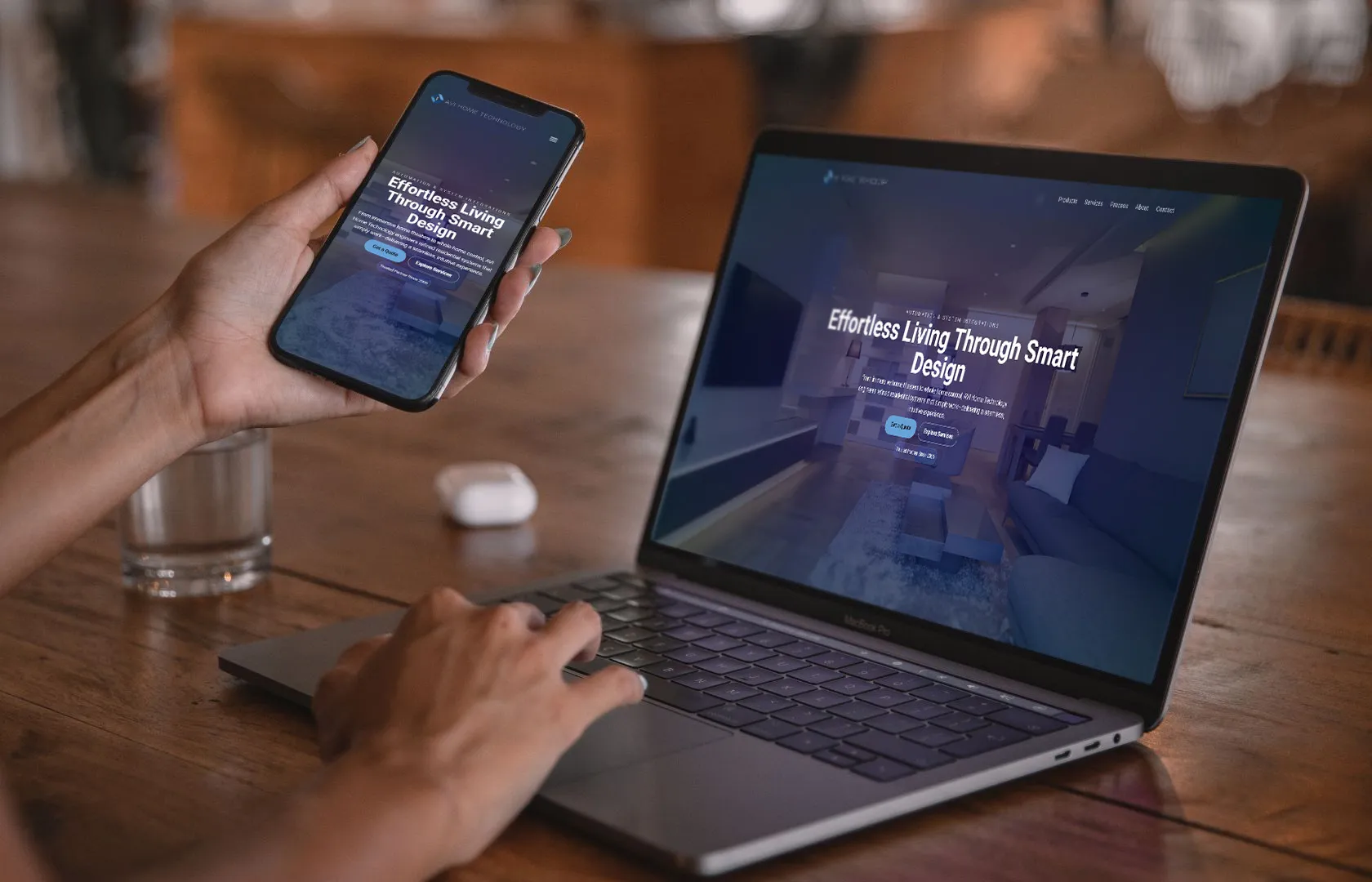
More people than ever browse websites from their phones. If visitors have to zoom in to read text, struggle to navigate menus, or encounter buttons that are difficult to tap, they’re more likely to leave.
Responsive web design ensures your website adapts to different screen sizes and provides a consistent experience across desktops, tablets, and smartphones.
If your website was designed before mobile usability became a priority, it may be time for a significant update.
3. Your Website Is Slow or Difficult to Maintain
Website performance affects both user experience and search engine optimization (SEO). Large images, outdated plugins, unnecessary scripts, and inefficient code can contribute to slow loading times.
Older websites can also become increasingly difficult to update, particularly when they’re built with outdated themes, unsupported plugins, or restrictive page builders.
A redesign can provide an opportunity to improve performance, simplify website management, and create a stronger technical foundation.
4. Your Business Has Changed
Your website should accurately represent your business as it exists today, not how it operated several years ago.
Perhaps you’ve expanded your services, entered new markets, updated your branding, or shifted your target audience. If your website still focuses on outdated offerings or no longer communicates your company’s strengths, it may be working against your marketing efforts.
Sometimes these changes only require content updates. Other times, they call for a larger restructuring of the website.
5. Your Website Gets Visitors but Doesn’t Generate Leads
A website can attract traffic without producing meaningful business results.
If visitors aren’t filling out contact forms, requesting quotes, scheduling appointments, or making purchases, the issue may be related to the website’s design and user experience.
Confusing navigation, weak calls to action, outdated information, and poorly organized content can make it harder for visitors to take the next step.
A strategic website redesign focuses on more than appearances. It considers how visitors interact with the website and how those interactions support your business goals.

Website Refresh vs. Complete Redesign: Which Do You Need?
Not every website problem requires starting over.
When a Website Refresh Makes Sense
A website refresh is often the better option when the existing website has a solid technical foundation but needs improvements to its appearance, content, or functionality.
Common website refresh projects include:
- Updating photos, graphics, and branding
- Revising outdated content and service descriptions
- Improving calls to action and contact forms
- Adjusting page layouts and navigation
- Optimizing images and website performance
- Adding new pages or functionality
These improvements can extend the useful life of your website without requiring a complete rebuild.
When a Full Website Redesign Is Worth It
A complete redesign may be necessary when the website’s underlying structure no longer supports your business.
For example, a full redesign might make sense if your website uses outdated technology, has persistent performance problems, lacks mobile responsiveness, or requires significant changes to its organization and functionality.
A redesign also provides an opportunity to revisit your overall website strategy, including navigation, SEO, content hierarchy, conversion opportunities, and how your website supports other marketing efforts.
The goal shouldn’t be to replace your website simply because it’s getting older. It should be to create a better experience for your visitors and a more effective tool for your business.
Is It Time to Update Your Business Website?
If you’re wondering how often you should redesign your website, start by evaluating what is and isn’t working. Does your website accurately represent your business? Is it easy to navigate on mobile devices? Does it load quickly? Most importantly, is it helping visitors become customers?
At Gliffen Digital Agency, we help businesses evaluate, improve, and redesign their websites with a focus on usability, performance, and long-term growth. Whether your website needs a few strategic updates or a complete overhaul, our team can help determine the best approach.
Ready to give your website a fresh look? Contact Gliffen to discuss your website design and development needs.